 Free quote
Free quote
Free quote
Wake County
Back 40 serves Cary, including Preston and Amberly, where HOA standards and town landscaping rules shape how a yard has to be kept.
Cary is a planned town, and it shows in the yards. Nearly everything west of Raleigh in 27511, 27513 and 27519 sits inside either a homeowners association, a town landscape requirement, or both. Back 40 works across Cary with that reality up front, because in this town the question is rarely just "what does the lawn need" — it is "what does the lawn need, and what is the property allowed to look like while it gets there."

Preston has been established long enough that its original plantings have matured. Foundation shrubs planted at two feet are now at eight, hiding windows and pushing against siding. Trees planted along the street have thickened enough to shade what were once full-sun lawn areas. So a lot of Cary landscaping work is renovation rather than new installation: taking out overgrown material, rebuilding a bed line the mower can actually follow, correcting mulch depth that has been topped up annually until it is smothering root flares.
The shade shift is worth calling out on its own. A lawn area installed in full sun twenty-five years ago may now be getting four hours of filtered light, and no amount of seed fixes that. Either the canopy gets thinned, the expectations change, or that section becomes bed.
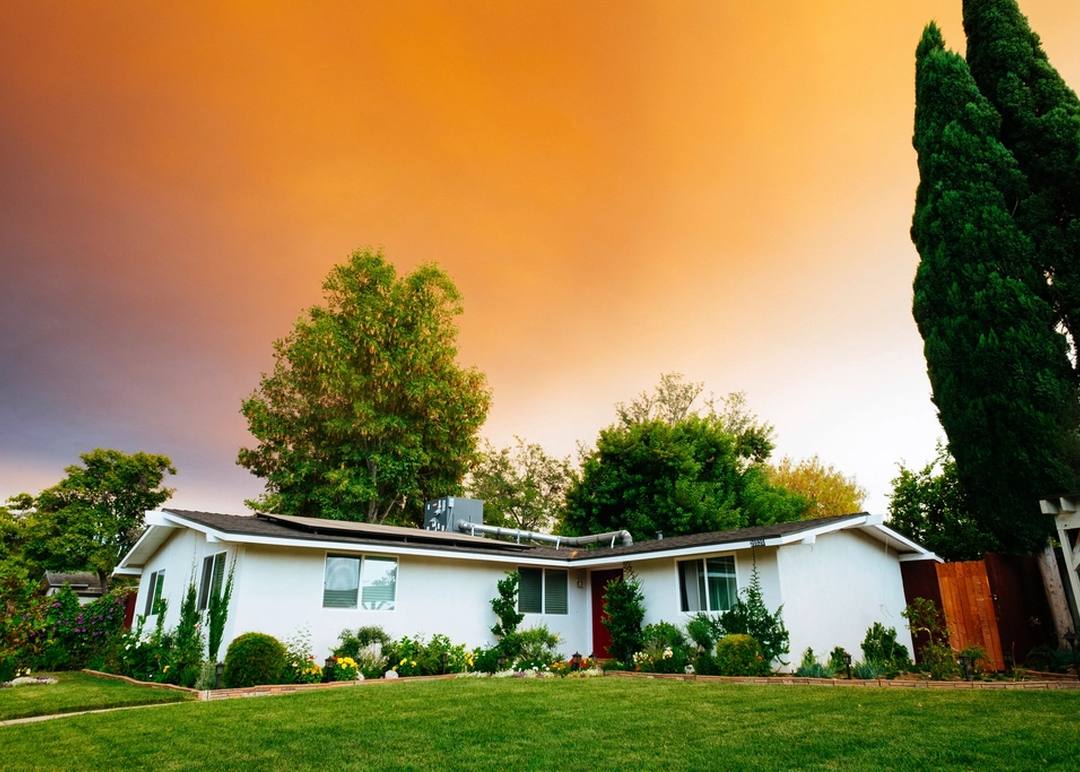
The western side of Cary is newer, on smaller lots, with more townhomes and tighter spacing between houses. Sun exposure is often split — one strip of full afternoon sun, one strip in permanent shadow of the neighboring house — and a single grass across both never looks uniform. Irrigation is more common in these communities, which helps in July but also means poor grading gets a chance to cause trouble year-round instead of only after storms.
Same clay as the rest of Wake County, with the added compaction of relatively recent construction traffic. Aeration is not optional maintenance here, it is the thing that lets water and air reach roots at all.
Cary's development pattern makes that worse than it sounds. Lots were graded with heavy equipment, the topsoil layer over the subsoil is thin, and then irrigation and foot traffic pack the surface further. Core aeration each fall, repeated across seasons rather than done once, is the maintenance item with the most leverage on a Cary lawn.
Cary quotes and scheduling: (720) 869-7552. Weekday hours run 7:00 AM to 6:00 PM and Saturday hours run 8:00 AM to 2:00 PM. Mentioning the community helps, because approval requirements and route days differ across the town.
Services
Neighborhoods: Preston, Amberly
Nearby
Questions
Associations in communities like Preston and Amberly commonly set turf height limits, require beds to be edged and mulched, restrict what can be stored in view, and specify fence height, style and stain. A few govern which trees may come down. The practical effect on a maintenance schedule is that you cannot let a lawn run long between cuts in the spring flush and catch up later — a violation letter arrives before you do. Route intervals in Cary get tightened during peak growth for exactly that reason.
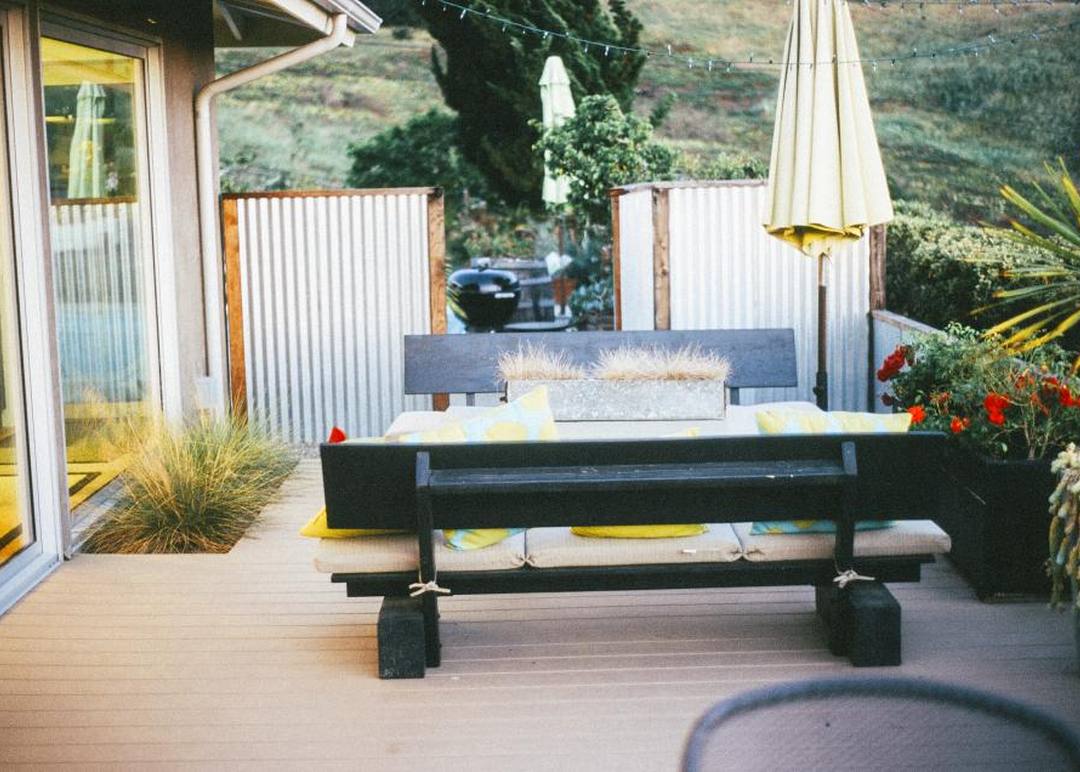
Fence and deck projects here also usually need architectural review approval before work starts. That approval is the homeowner's to obtain, but the drawing, materials and dimensions should be nailed down first so the submission does not get bounced.
Specifics. A committee is being asked to approve something it cannot see, so vague descriptions get returned. What tends to move a submission through is dimensions, materials, a location on the lot, and enough of a drawing that a reader can picture the finished thing from the street.
For a fence that means height, style, material, stain colour and which direction the finished face points. For a deck it means footprint, height off grade, railing style and materials. For a landscape change it means a plant list and a bed layout rather than "new landscaping in front."
Timing is the other half. Committees meet on their own schedule, not on the contractor's, so a project submitted in March may not be approved in time for an April start. Getting the paperwork in early is often the difference between a spring install and a summer one.
Yes, in ways that are not obvious. A watered lawn grows on its own schedule rather than waiting on rain, so it keeps producing through dry weeks when unirrigated lawns in the same neighborhood have slowed down. That is good for appearance and it means the mowing interval cannot be relaxed in the middle of summer the way it can elsewhere.
Irrigation also keeps ground soft. A head running against a low spot leaves that corner damp permanently, and damp clay plus a mower equals ruts. Heads themselves are a hazard for equipment and for the trimmer, and one that has been mowed off announces itself as a geyser the next time the zone runs.
Deep and infrequent beats short and daily. Frequent light watering keeps roots at the surface, which is the opposite of what a lawn growing over compacted construction clay needs.
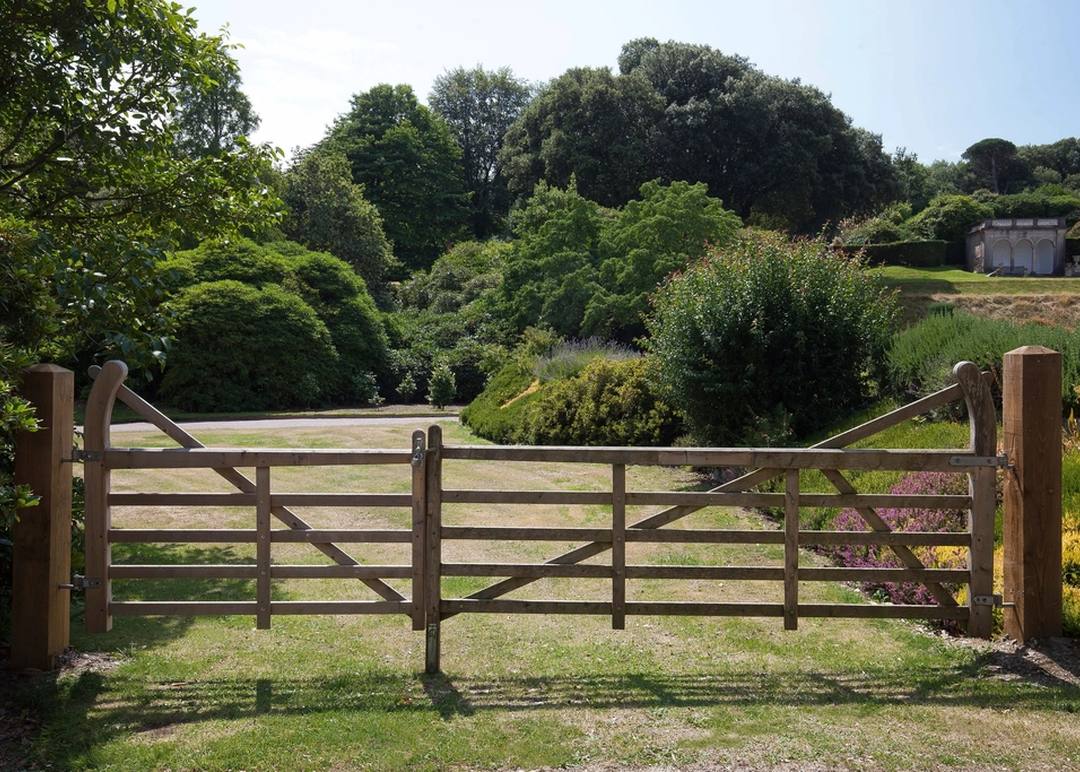
It runs on the same approval track as anything else, plus a material constraint most towns do not impose. Many Cary associations specify fence height and style and require a particular stain or leave stain unfinished, and some require the finished side to face out toward the street or the common area. Rebuilding a fence the wrong way round is a full redo, so the covenant gets read before the layout is drawn.
Common-area boundaries matter too. Plenty of Cary lots back onto association-maintained greenway, buffer or common turf, and knowing precisely where the owner's responsibility stops prevents both duplicated work and a strip along the back that nobody has been cutting.
Get in touch
Call and talk to someone who does the work, or send the details and we'll get back to you.
Call (720) 869-7552