 Free quote
Free quote
Free quote
Wake County
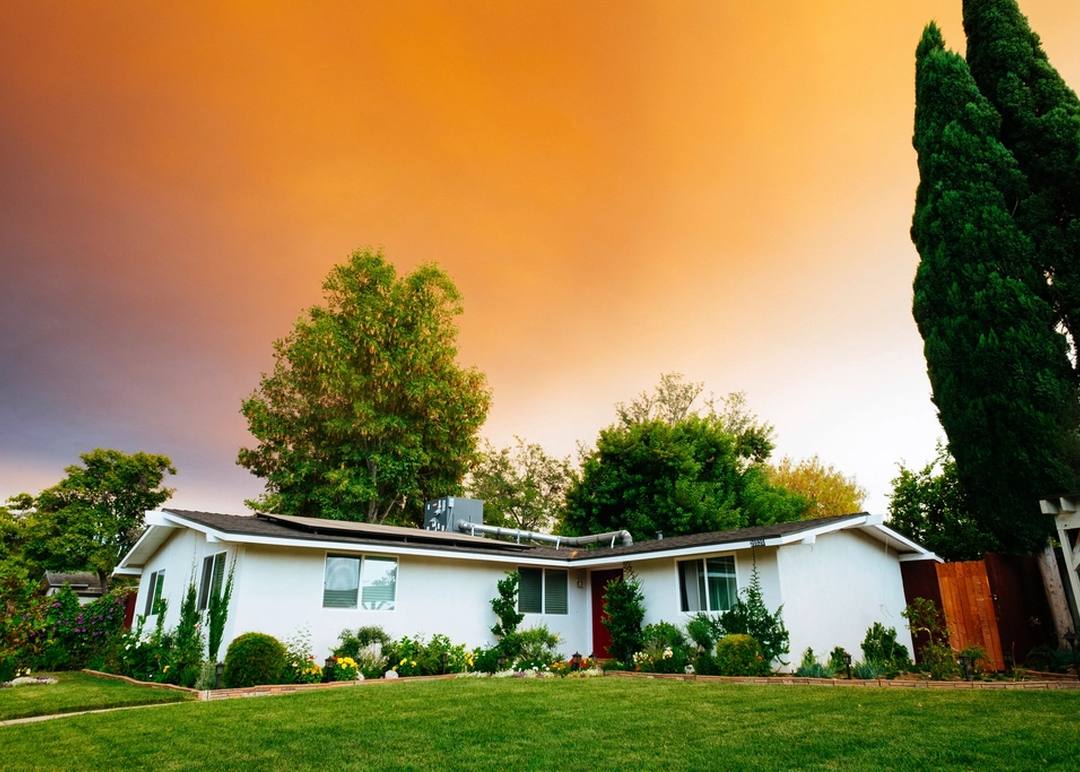
Lawn, landscape and exterior work in Garner 27529, including Vandora Springs, where older ranch homes sit on wide, open, sun-exposed lots.
Garner does not look like the newer Wake County suburbs, and that changes the work. Much of the town, Vandora Springs included, was built out before the current subdivision era: single-story and split-level houses, wide frontages, generous side yards, mature but scattered trees rather than continuous canopy, and a lower share of properties governed by a homeowners association. Back 40 serves Garner in 27529.

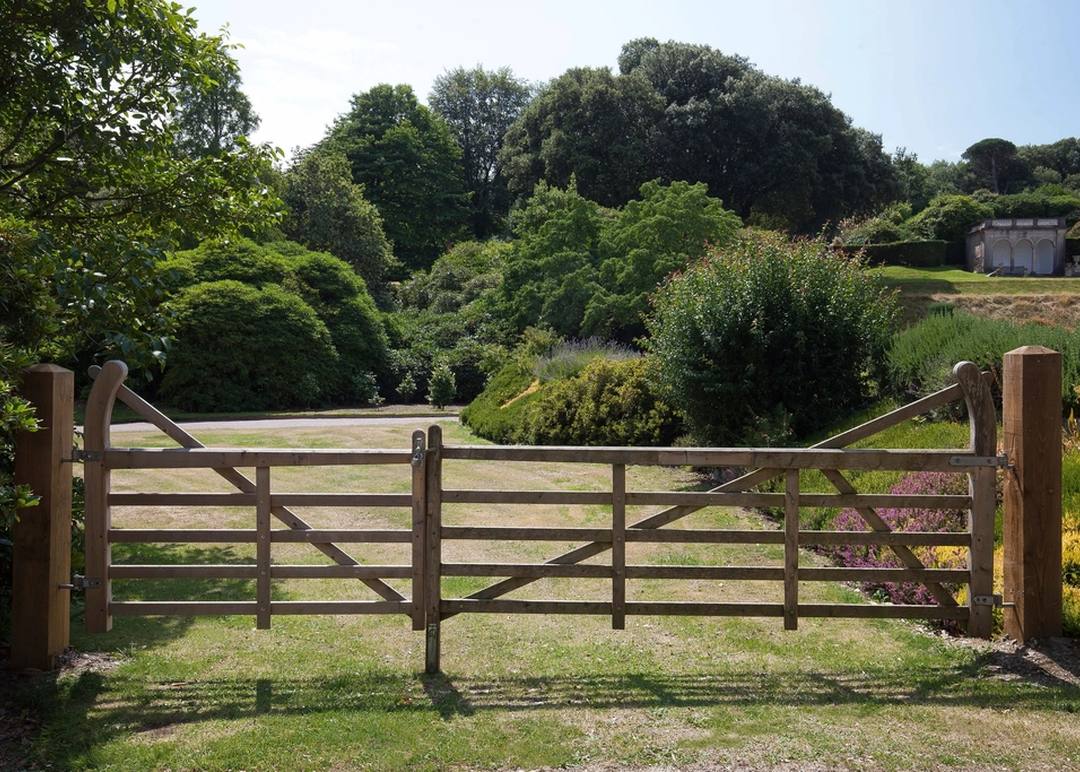
More turf per property means longer visits and, in the spring flush, real volume of clippings. It also means a lot more edge — driveways here are often long, side yards are open all the way to the back, and there are frequently outbuildings, sheds or garden areas to trim around. Larger open lots do make one thing easier: access. A trailer can generally get close, gates are usually wide enough for a real mower, and material for a fence or a deck can be dropped near where it is needed.
Open lots also give the mowing pattern room to matter. Cutting the same direction every visit on a large area packs a track into clay and lays the grass over the same way each time; alternating the direction spreads that traffic out.
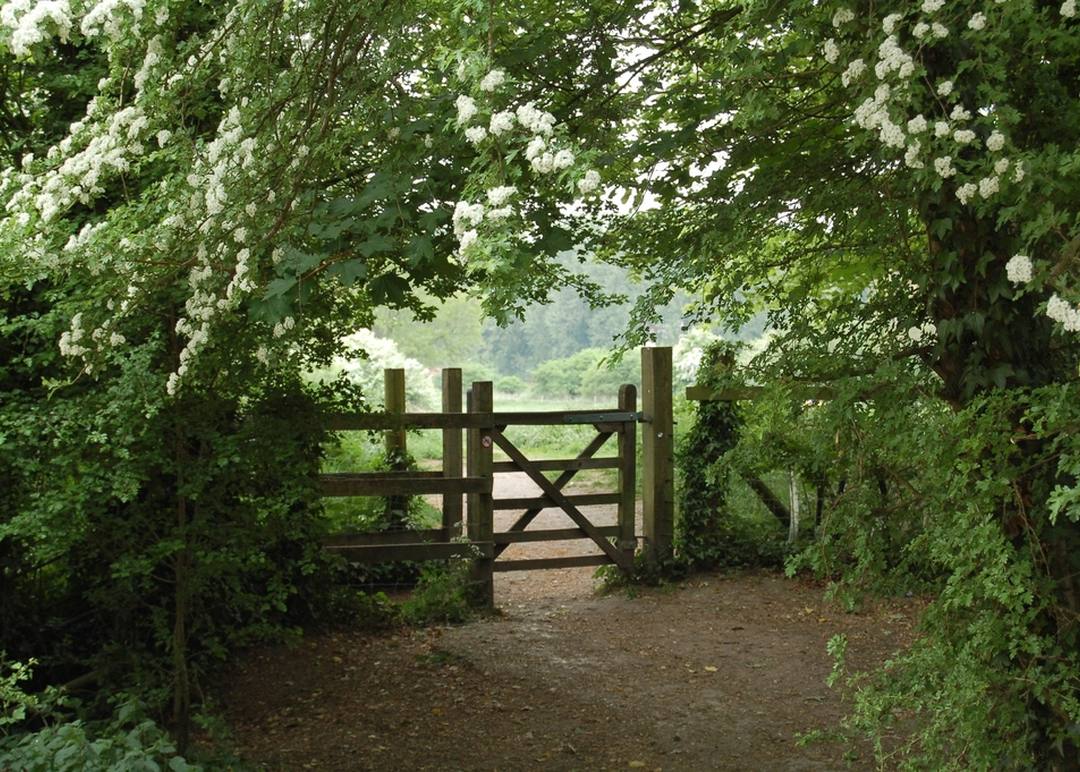
Housing that has been standing for decades usually comes with fence and deck built at least once already. Common findings: post bases rotted at the ground line where clay held moisture against untreated or under-rated wood, deck ledger connections installed before flashing details were standard, and concrete drives that have taken forty years of sun and are now soft enough on top to need lower washing pressure than they look like they need.
Older properties also tend to have accumulated structures — a detached garage, a workshop, a shed, sometimes a carport added later. Each one is more roof shedding water somewhere, more siding collecting algae on its shaded face, and more edge to trim around every visit.
Lot size drives mowing price, so recurring work is quoted after seeing the property. Call (720) 869-7552 during business hours — weekdays 7:00 AM to 6:00 PM, Saturdays until 2:00 PM — to arrange it.
Services
Neighborhoods: Vandora Springs
Nearby
Questions
Open, sunny lots give you options that a shaded Raleigh yard does not. Cool-season fescue works, but it takes the full brunt of a Piedmont July with nothing shading the soil, so it burns out faster and needs more overseeding in the fall to stay dense. Warm-season grasses become genuinely viable here. Bermuda and zoysia thrive in exactly the heat and sun that punish fescue, they tolerate compacted clay better, and they hold up to traffic on a yard where kids and dogs actually use the space. The tradeoff is honest: they go dormant and brown for months in winter, and they spread into beds if the edges are not kept.
Whichever direction a Garner lawn goes, mowing height is the lever that matters most in summer. Taller turf shades its own root zone, and on a full-sun lot that shade is the only shade there is.
It depends on how the yard is used and what winter appearance is worth to you. On a wide, sunny Garner lot with kids, dogs and real traffic, a warm-season lawn takes the abuse better and needs no annual reseeding to stay dense. On a lot where a green lawn in February matters, it is the wrong trade.
The conversion itself is a project, not a service call. The existing fescue has to be removed rather than simply overseeded into, since the two grasses do not coexist gracefully, and warm-season grass goes in when the soil is warming rather than in the fall window that fescue wants. Expect a season where the lawn looks worse before it looks better.
The maintenance rhythm inverts afterwards, and that catches people out. The busiest mowing weeks move from April and May to July and August, cutting height comes down rather than up, and edges have to be maintained deliberately because these grasses spread by runner into beds, driveways and the neighbor's yard.
Because one driveway is often two surfaces. The open stretch bakes in full sun, stays dry and generally just needs the grime taken off. The stretch running under whatever scattered trees the lot has stays damp, grows green and black film, and can be genuinely slick underfoot.
Age is the second variable. Forty-year-old poured concrete has been through a lot of wet-dry cycling, and the top surface can be soft enough that aggressive pressure etches it permanently. Treating the growth chemically and keeping pressure moderate gets an even result without carving lines into the slab.
There is often gravel involved too, on the apron, at a side entrance or leading back to an outbuilding. Gravel and a pressure washer do not mix, so the transition points get worked around rather than through.
Some older properties at the edges of town have their own well or septic system, and that changes where you can dig. A drain field is not a place for a fence post, a deck footing, a raised bed or a parked trailer, and compacting the soil over one is its own problem.
None of that is visible from the surface, so the location gets confirmed before a project is laid out rather than found with a post-hole digger. It is a short conversation at the walk-through and it prevents an expensive repair.
Get in touch
Call and talk to someone who does the work, or send the details and we'll get back to you.
Call (720) 869-7552