 Free quote
Free quote
Free quote
Fencing
Wood and board fence installs, gate hardware, repairs and post replacement across Wake County, with post setting built around heavy Piedmont clay.
Back 40 installs new wood and board fence, replaces failed posts, rehangs and rebuilds gates, and repairs damaged sections. Pricing runs per linear foot, with gates and any demolition of an existing line quoted on top. A fence is only as good as what is holding it up, so most of the real work on any fence job happens below grade.
Most fence around here is pressure-treated pine, and it is a reasonable default as long as the grade is right: anything in contact with soil needs to be rated for ground contact, not just above-ground use. Substituting the cheaper rating on posts is a common shortcut and it shows up as failure at the ground line years later.
Cedar costs more and holds up better against rot and insects, particularly on pickets and rails. Metal posts with wood panels are a middle path some homeowners choose specifically because the ground-line rot problem goes away.
Fasteners deserve the same attention. Treated lumber is corrosive to ordinary steel, so hot-dipped galvanized or coated fasteners rated for treated wood are what belong in it. A fence held together with the wrong screws stains black at every fastener and eventually loses its grip.
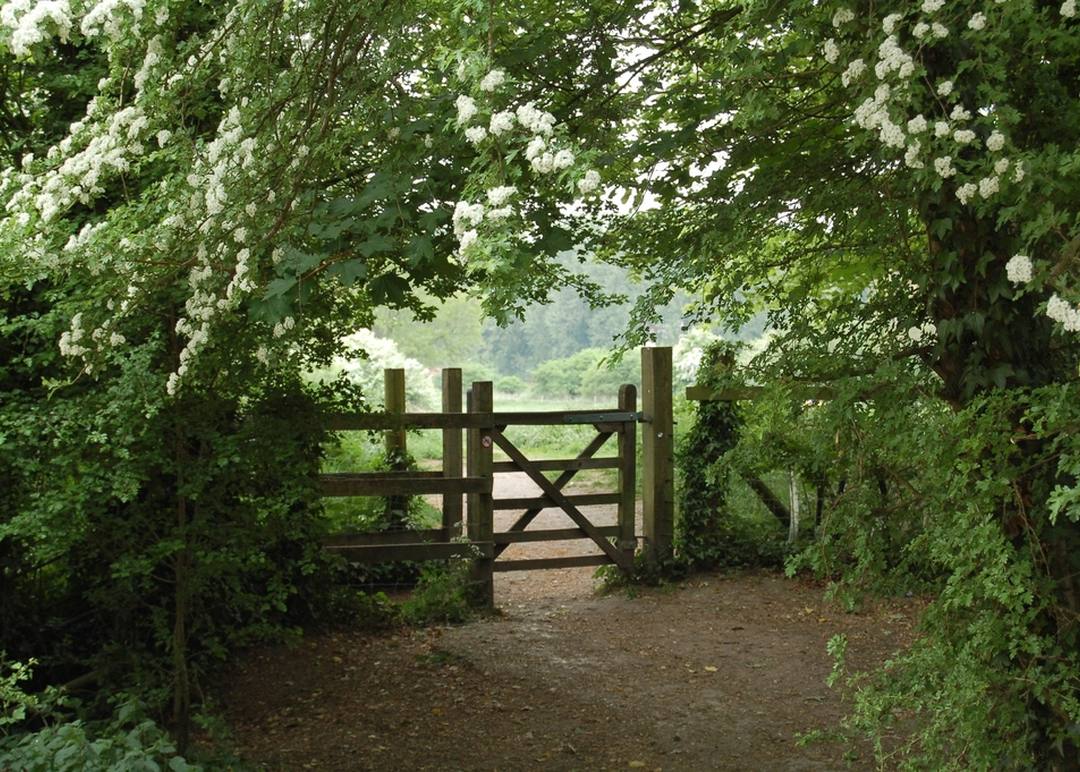
Fence quotes need a walk of the line. Call (720) 869-7552 and we will measure the run, count gates and corners, and check what has to come out first.
Included
Typical range: Quoted per linear foot
Coverage
Questions
Two things, and they pull in opposite directions. Wet clay swells. Dry clay shrinks and cracks away from whatever it is packed against. Through a Piedmont year a post lives through both, repeatedly, and that cycling is what walks a post loose over time. The other issue is drainage. A post hole dug in clay and filled with concrete makes a bucket with no bottom. Water collects around the base of the post and stays there, and wood sitting in permanently wet ground rots from the ground line up — which is exactly where you find failure on nearly every old fence in this area.
Depth, a drainage layer or crown at the bottom of the hole, concrete that sheds water away from the post rather than cupping it, and pressure-treated material rated for ground contact are what buy years.
Deep enough that the buried portion can resist the leverage of everything above it, which in practice means a meaningful fraction of the post's above-ground height, and deeper for gate posts, corner posts and end posts because those carry loads the line posts do not.
Hole diameter matters as much as depth. A narrow hole packed tight with concrete gives the clay a smooth column to grip and lift, while a wider hole with the concrete crowned above grade sheds water off the post and spreads the load. Where a run climbs a grade, the posts on the downhill side of a slope are the ones that lean first, because water arrives there and stays.
Two options on slope: racking, where the pickets stay plumb and the rails follow the ground, or stepping, where each panel stays level and drops at the post. Racking suits a gradual grade and keeps the bottom gap even. Stepping suits a steep or uneven run but leaves triangular gaps that matter if you own a small dog. Wooded lots bring roots. A run through the drip line of a mature willow oak may need post positions shifted rather than cutting a structural root, and that gets decided at layout, not mid-dig.
Utility locates, first and always. Property line and setback confirmation, since a fence built a foot over is a genuinely expensive mistake to undo. HOA approval where it applies — many Wake County subdivisions restrict fence height, style, material and which side the finished face points. Gate swings get planned around slope and around where you actually walk with a mower or a trash bin.
Because a gate is a lever, and the post carries all of it. Every time the gate swings, the weight of the frame pulls against the hinge side, and a post that was set like a line post rather than like a gate post gives up gradually. On a wide gate the effect is larger still.
The fixes are in the build. Set gate posts deeper and in a wider hole. Brace the gate frame diagonally so the frame does not rack into a parallelogram. Use hardware sized for the actual gate weight rather than what came in the kit. Leave enough gap at the latch side that seasonal swelling in humid weather does not jam the gate shut in July.
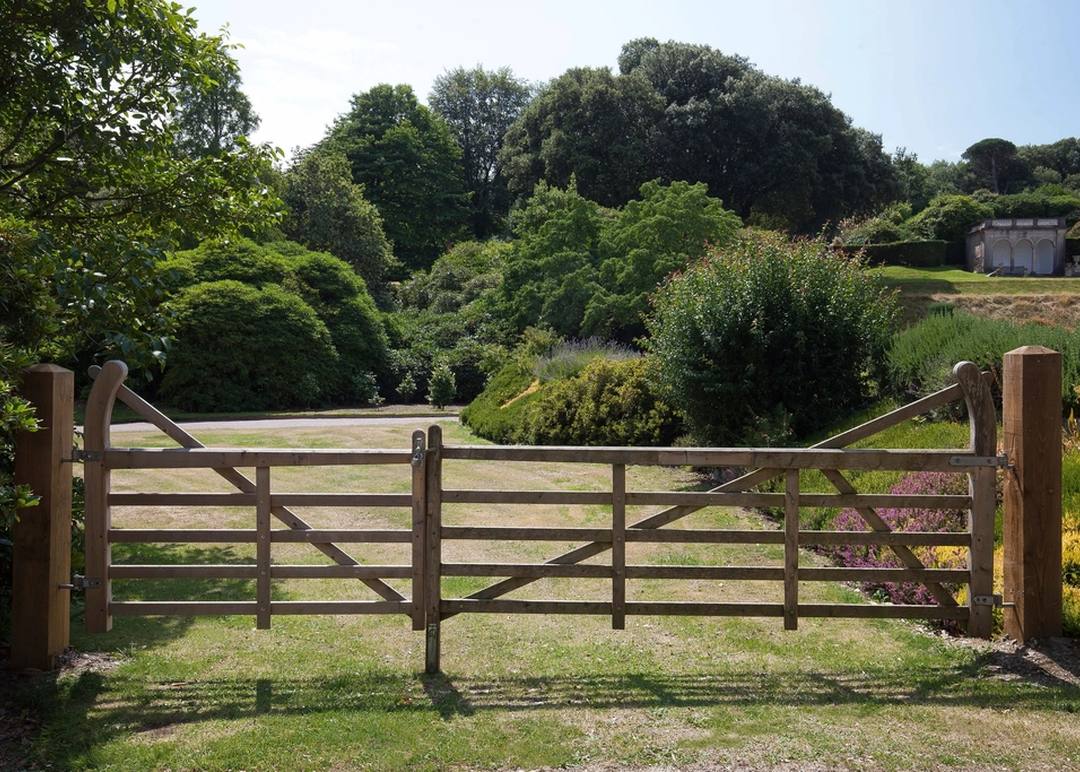
Gate width should also be decided against what has to pass through it. A gate that will not admit a mower, a wheelbarrow or a load of mulch turns every future project into hand-carrying, and widening one after the fact means resetting posts.
Repair makes sense when the failure is localized and the rest of the line is sound: a few posts gone at the ground line, a section knocked out by a fallen limb, pickets that have split, or a gate that needs rebuilding. Those are contained jobs.
Replacement gets to be the better value when posts are failing across most of the run, when the rails have twisted enough that nothing lines up, or when the existing fence was set at a depth that guarantees the same problem repeats. Patching a fence that is failing everywhere is paying repeatedly for the same repair on a schedule.
Worth checking before deciding: whether the fence you are repairing is actually yours. Shared lines between neighbors are common, and the property survey settles that question faster than a conversation does.
Get in touch
Call and talk to someone who does the work, or send the details and we'll get back to you.
Call (720) 869-7552