 Free quote
Free quote
Free quote
Wake County
Property work in Raleigh's older neighborhoods — Five Points, Oakwood and North Hills — where mature oak canopy drives most of what a yard needs.
Raleigh is where the trees decide everything. Inside the older ring of the city — Five Points, Oakwood, the streets feeding into North Hills — lots were laid out generations ago and planted with willow oaks and pin oaks that are now enormous. Back 40 works throughout the city including 27601, 27604, 27609 and 27612, and on most of these properties the canopy is the single biggest factor in what the lawn, the beds and the hard surfaces need.
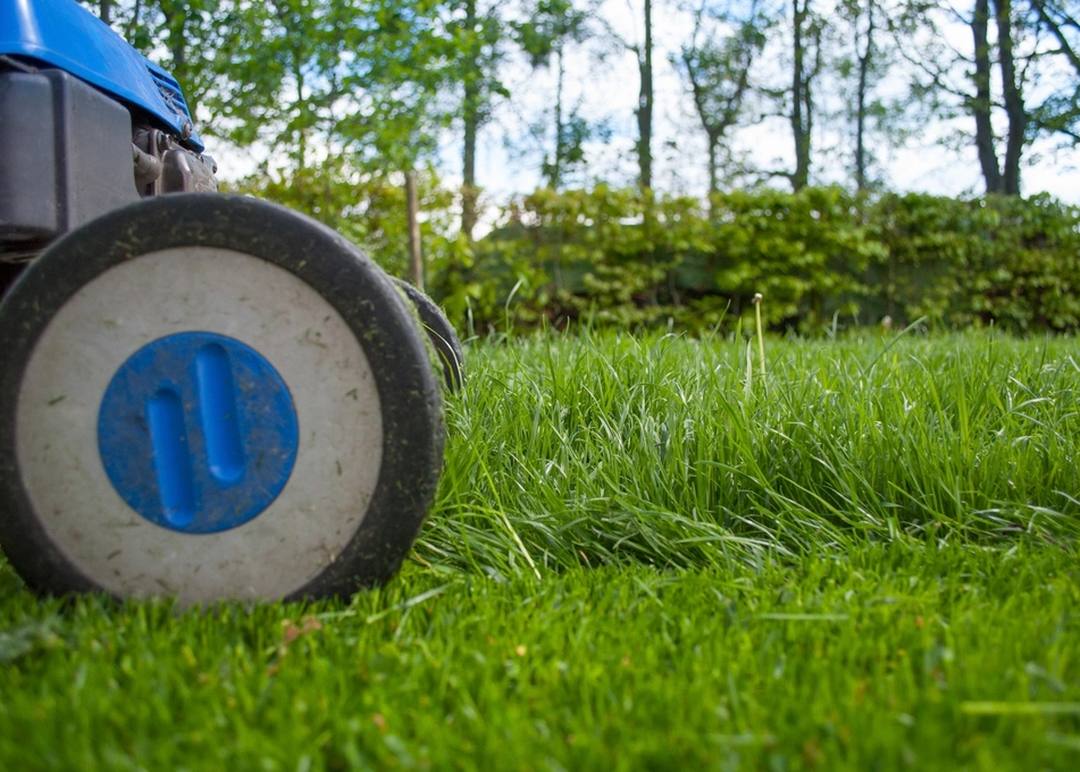
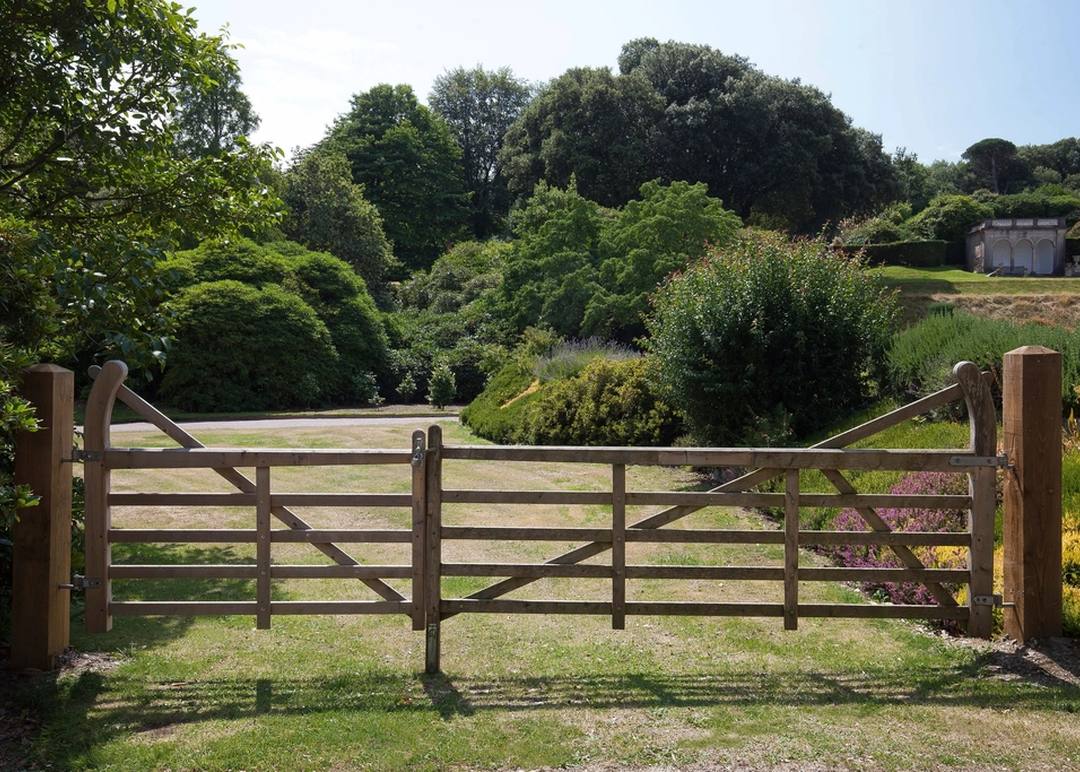
Older Raleigh neighborhoods were not designed around trailers. Narrow streets, on-street parking, tight rear alleys, one-car drives and gates cut for a wheelbarrow rather than a zero-turn are all normal here. It affects real decisions: which mower goes on the lot, whether fence material comes through the house side or over the back, and where a load of mulch can be dropped without blocking a neighbor. Homes in the Oakwood historic district also carry design review considerations for anything structural and visible from the street, and that is worth confirming before a fence or deck is designed.
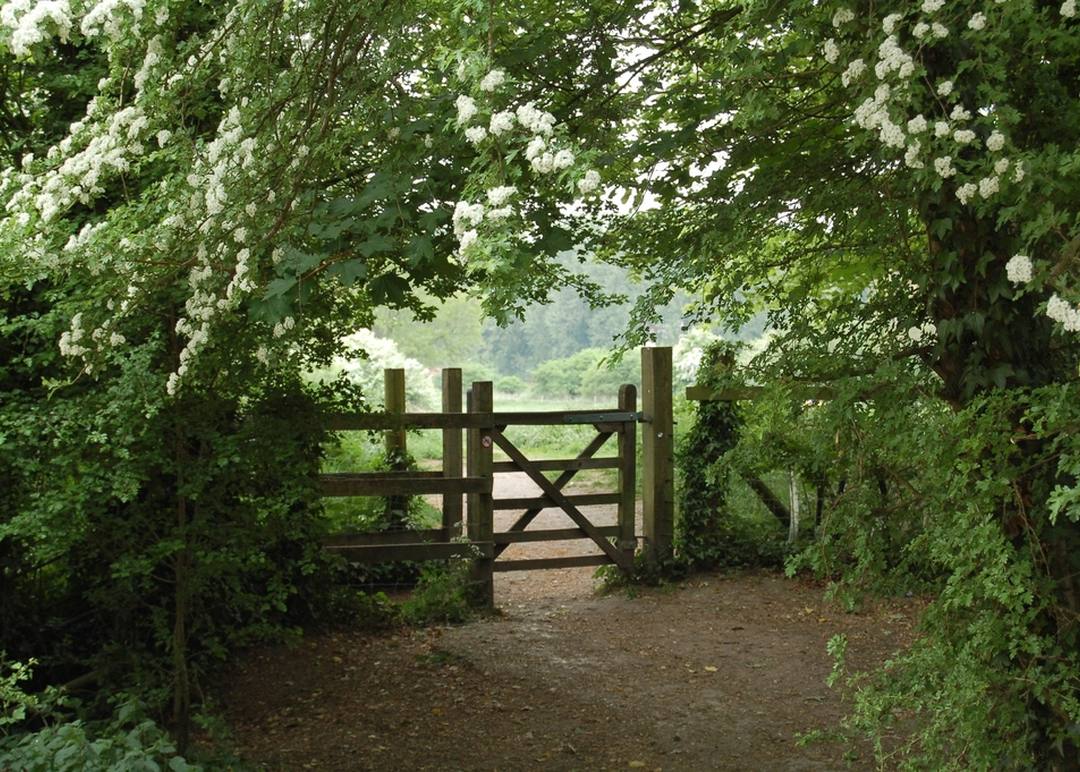
Big oaks in old yards put roots at and just under the surface, and once they are exposed there is no putting them back. Mowing across them scalps the turf on top and beats up the mower deck. Trimming right against them wounds bark on a root that is feeding the tree.
The workable answer is usually to stop fighting it. A mulched bed extended out over the root zone removes the mowing problem, protects the roots, and looks intentional instead of like a bald patch that keeps getting worse. Where a bed is not wanted, the mowing pattern and the trim line get set to keep equipment off the exposed wood.
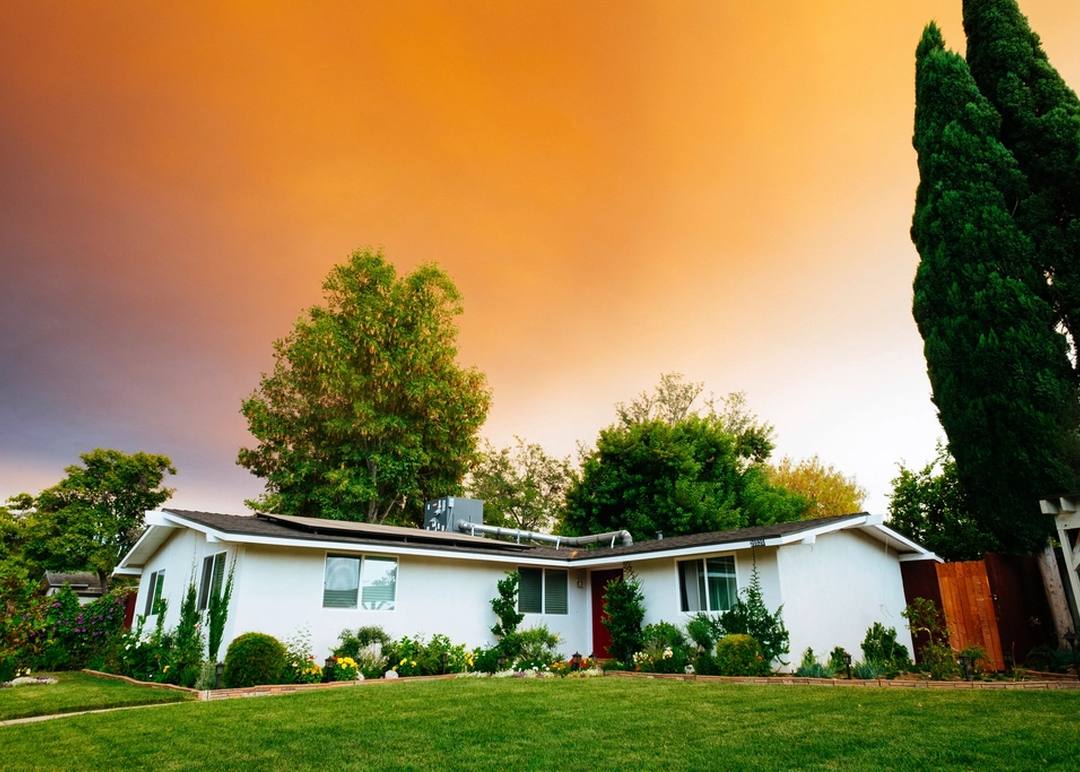
North of the beltline the picture shifts. Redeveloped lots, infill construction on old parcels, and disturbed soil where a builder graded around a new house. Those yards behave more like new construction than like a hundred-year-old lot: compacted clay, shallow topsoil, and drainage that was set by a grading plan rather than by decades of settling.
Infill also creates a specific neighbor situation. A newly built house often sits higher than the lots on either side of it, and water that used to spread out across a low old lot now runs off a new pad toward whoever is downhill. That is a grading conversation worth having before it becomes a standing-water conversation.
Under all of it is Piedmont red clay. It compacts under foot and tire traffic, it drains slowly, and after a long dry stretch it goes hard. That is why fall aeration matters here, why planting holes have to be dug wide instead of deep, and why water that has nowhere to go ends up against a foundation.
Older Raleigh houses add a second layer to that: many were built before anybody thought hard about how roof water leaves a property. Gutters discharge into a bed two feet from the wall, grade has crept upward against the foundation over decades of mulch, and the yard drains toward the house rather than away from it. Those get fixed with earthwork.
Reach the crew at (720) 869-7552, weekdays 7:00 AM to 6:00 PM, Saturdays until 2:00 PM. Mentioning the street helps — access in the older neighborhoods varies enough that it changes which equipment comes.
Services
Neighborhoods: Five Points, North Hills, Oakwood
Nearby
Questions
Three things. Shade, first: tall fescue will hold on under high oak canopy but it thins, and there is no grass variety that fixes deep shade under a mature oak. Sometimes the honest answer is a bed, a ground cover or mulch rather than another season of reseeding a strip that will never fill in. Root competition, second: those trees pull moisture and nutrients out of the top layer of soil across a radius far wider than the branch spread, so turf and shallow-rooted plants are competing with something that always wins. Leaf load, third — a mature oak drops for weeks in the fall, and wet oak leaf packed on fescue going into winter kills it.
Longer than most people plan for. Willow oaks and pin oaks are among the last trees in the neighborhood to finish, and they hold and release leaf in waves that can stretch from the first cold snap through the end of the year. A single cleanup scheduled in November catches part of it and leaves the rest to fall onto a clean yard the following week.
That has practical consequences on a shaded Raleigh lot. Fescue is still doing useful growing into the fall, so leaf sitting on it during that window costs the lawn the light it needs going into winter. Leaf also collects in the places nobody looks: in gutter valleys, against a fence line, in the corner between a deck and the house, and on the shaded half of a driveway where it leaves a brown tannin stain on the concrete after it gets wet.
Because Raleigh's older housing stock has surfaces that will not take the pressure a new driveway shrugs off. Mortar joints on a house that has stood for eighty years erode under a narrow tip, and repointing costs a multiple of what the wash did. Poured concrete walks from mid-century have been through decades of wet-dry and freeze cycles, and the top surface can be soft enough to etch permanently in a single pass.
Add canopy to that and you get the other half of the problem: shaded brick, shaded walks and north-facing siding grow black and green organic film that comes back quickly if it is only knocked off mechanically instead of treated.
Mowing on a set route, leaf work through a long autumn, bed renovation on lots where the planting is decades old, and washing on shaded brick, concrete and siding. Deck and fence work happens most often in winter, when the ground is workable and there is no turf underfoot to protect.
Lighting is worth mentioning separately in this part of town, because the mature canopy that causes so many of the problems above is also the best thing on the property to light. A couple of uplights into a full-grown willow oak does more for an older Raleigh house at night than a row of path fixtures.
Get in touch
Call and talk to someone who does the work, or send the details and we'll get back to you.
Call (720) 869-7552