 Free quote
Free quote
Free quote
Wake County
Serving Wake Forest 27587, from Heritage and Traditions to the older downtown streets, where rolling terrain and long lots change how work gets done.
Wake Forest covers two very different kinds of property inside one ZIP code, 27587. There is the old town core near the former college campus, with early-twentieth-century houses, deep lots and hardwoods that have been there far longer than any current owner. Then there are the large master-planned communities north and east — Heritage and Traditions among them — built recently, at scale, on land that used to be farm and pine.

Large planned communities keep a consistent street presentation, and their covenants generally cover turf condition, bed edging, fence style and what may be built in a rear yard. Lots in these neighborhoods are frequently larger than the Wake County average, which means real mowing acreage and, on the outer edges, a transition where the maintained lawn meets a wooded buffer. That transition line is worth defining on purpose. Left undefined, it creeps year by year and turns into a strip of weeds nobody owns.
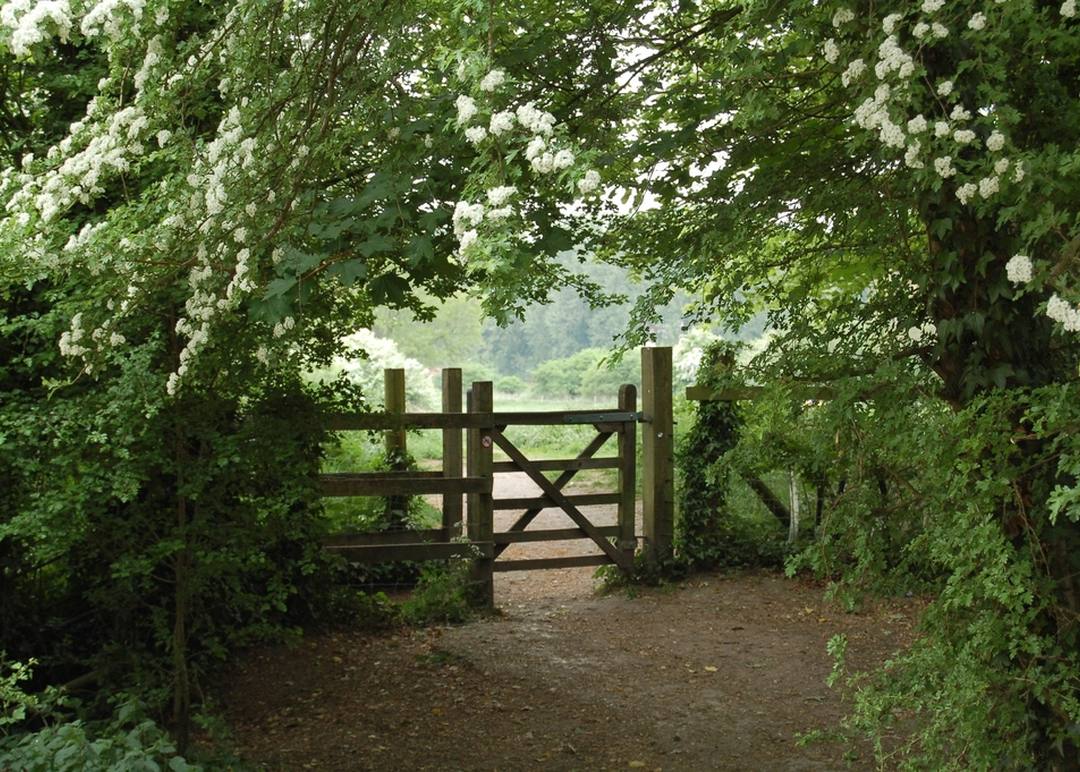
Lots at this end of the county are frequently deep, which means long driveways, detached garages, sheds and sometimes a barn or workshop left over from what the land used to be. That adds real square footage of concrete and gravel to maintain and a lot of edge to trim.
It also adds surfaces that collect algae, because a long drive running through shade under pines and hardwoods stays damp on one side and grows green while the sunny half stays clean. Outbuildings tend to be the last thing anybody washes and often the thing that needs it most, with roof runoff streaking down siding at every joint.
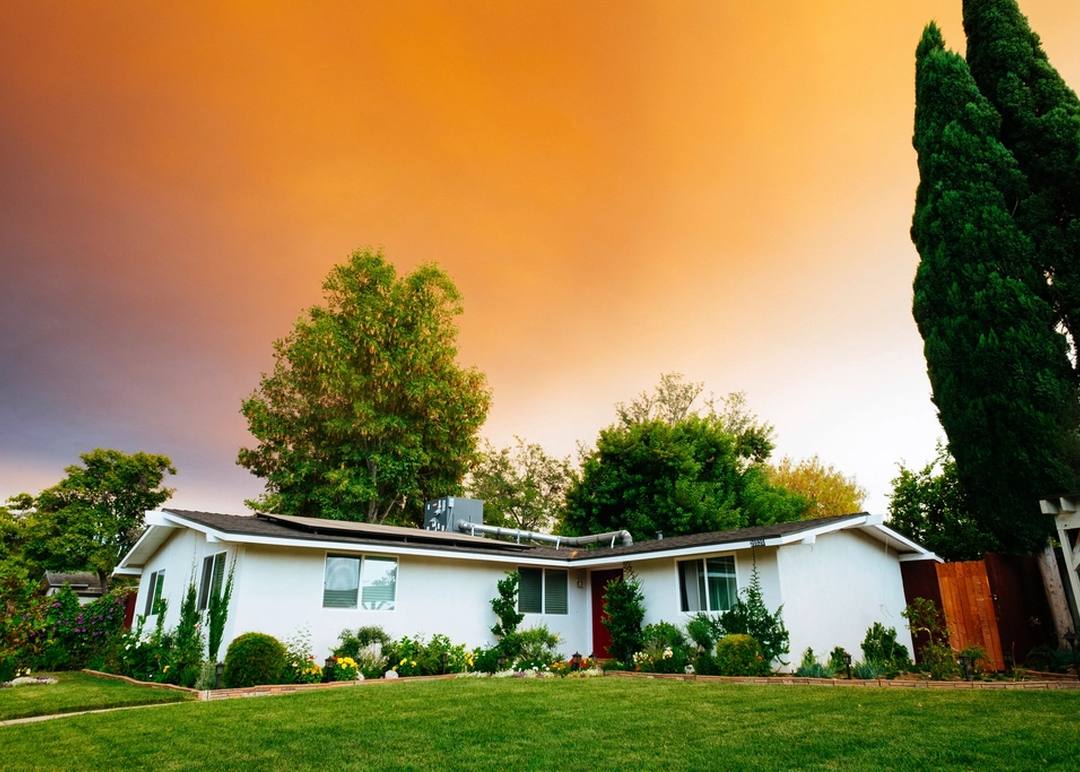
Closer to South Main and the historic blocks the picture inverts: smaller houses, big established trees, cast-iron drainage patterns set by grading nobody documented, and yards with decades of accumulated planting. Work here is usually renovation — taking out what has outgrown its spot, rebuilding beds, correcting grade that has slowly built up against a foundation, and dealing with heavy fall leaf drop from full-sized hardwoods.
Access is the other constant near the town centre. Older streets, narrower drives and rear yards reached through a single gate all set a ceiling on what equipment can get in, and that gets figured into a quote rather than discovered on the first visit.
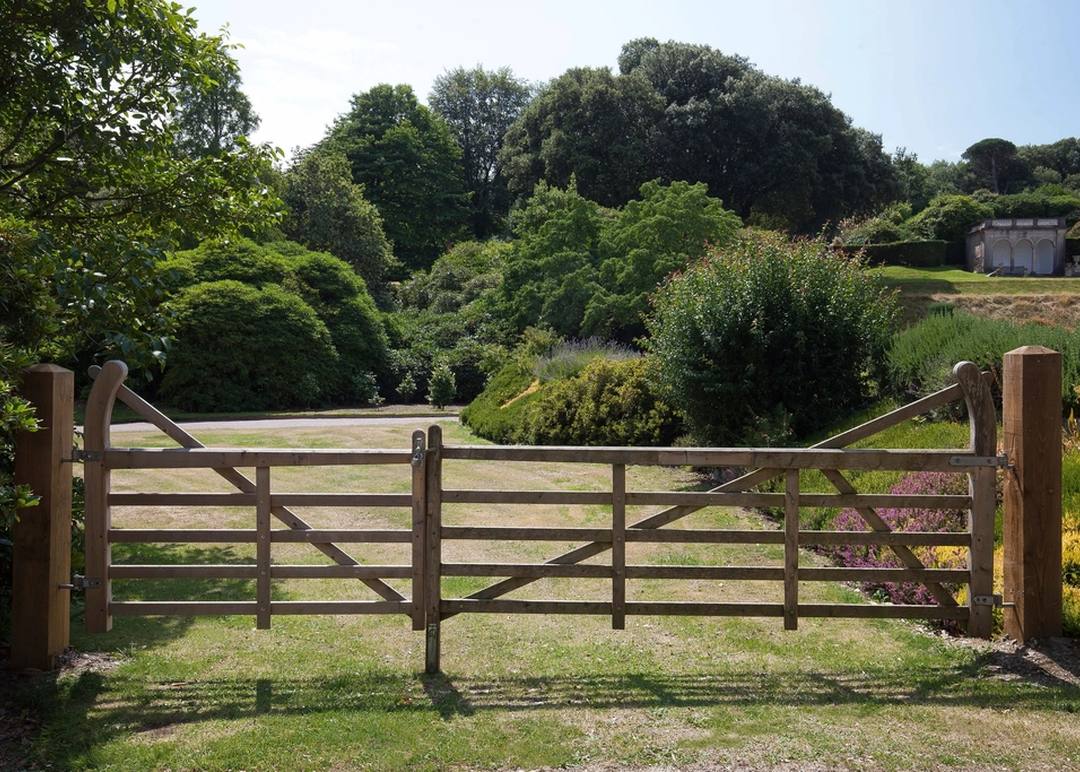
Piedmont clay under all of it, with the usual consequences: slow drainage, hard compaction in dry weather, and post holes that behave completely differently in March than in August. Cool-season fescue does its real work in spring and fall here, and midsummer is about keeping it alive rather than pushing it.
Slope adds a wrinkle to that. On a grade, water runs off before it soaks in, so the high side of a sloped lawn dries out faster than the flat parts of the same yard and thins first in a hot August. The low side stays wetter, holds moisture longer, and is where the ruts appear if anything drives across it after rain.
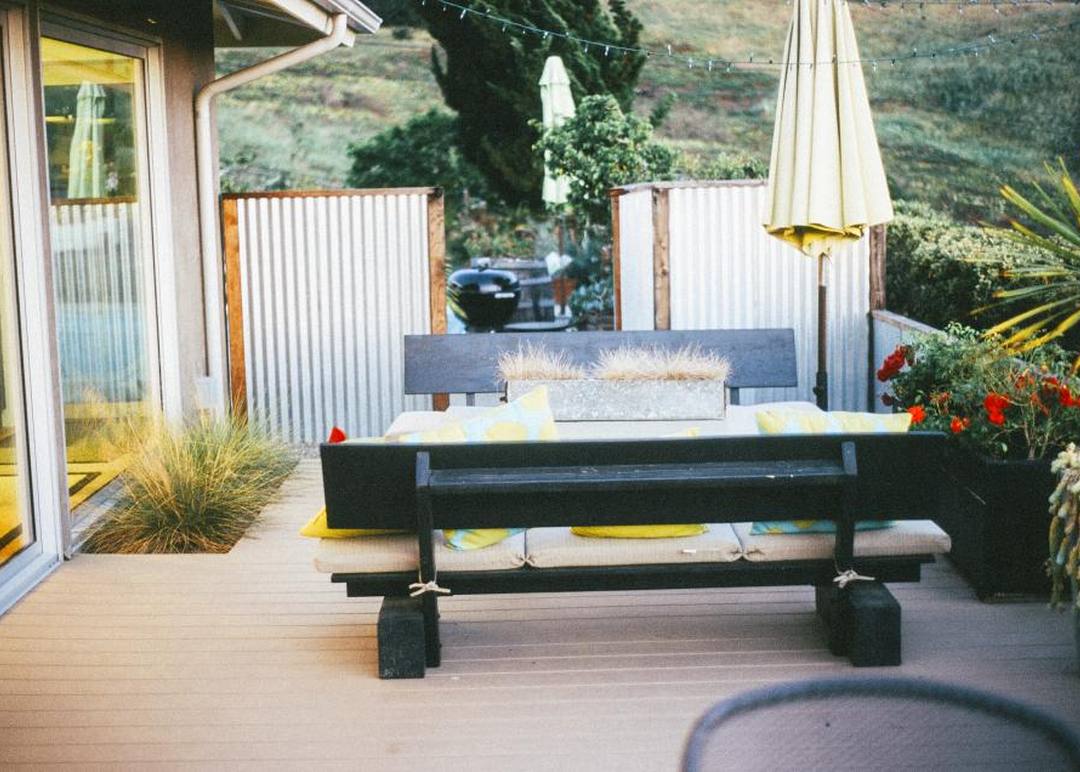
Wake Forest sits at the northern end of the service area, so routes are grouped to keep visits on a consistent day. Call (720) 869-7552 weekdays between 7:00 AM and 6:00 PM, or Saturday mornings until 2:00 PM.
Services
Neighborhoods: Heritage, Traditions
Nearby
Questions
Northern Wake County rolls. Lots slope more than they do out in the flatter eastern part of the county, and slope drives a long list of decisions. Mowing across a grade needs the right machine and the right direction, or you scalp the high side and leave the low side long. Runoff moves fast on a slope, so bare soil in a bed erodes and mulch ends up in the driveway after a thunderstorm. Fence lines running downhill have to be racked or stepped deliberately. Decks on a sloped lot end up higher off grade at one end, which changes footing depth and railing requirements.
By slowing the water down and by holding the surface. Mulch that floats is mulch sitting on ground that is moving water faster than the bed can absorb it, and adding more of the same mulch each spring just gives the next storm more to carry.
Coarser material stays put better than fine shredded mulch on a grade. Plants with fibrous root systems, set close enough to knit together, hold soil in a way that bare mulch never will. Where the fall is steep enough, the real answer is earthwork — a shallow swale above the bed to intercept runoff before it arrives, a low terrace to break one long slope into two short ones, or a redirected downspout so roof water is not the thing scouring the bed in the first place.
Bare soil is the enemy on any grade. Between planting and establishment there is a window where a bed is vulnerable, and getting cover on it quickly matters more here than on a flat lot in eastern Wake.
A decision about where maintenance stops, and then something physical to hold that decision. A cut edge, a mulched band, a low row of planting or simply a consistently mowed line all work. What does not work is leaving it to be re-guessed every visit, because the line drifts and the strip in between fills with brambles, poison ivy and volunteer saplings.
The buffer itself needs occasional attention beyond the edge. Dead limbs hang over yards. Volunteer trees seed themselves in along the line and are trivial to remove at two feet tall and a project at twenty. Vines coming out of a wooded margin will climb a fence, a young tree or the back of a shed if left alone, and English ivy and wisteria in particular are far easier to keep out than to remove once established.
Usually, yes. The ground is workable, there is no turf to protect, and digging on a sloped clay lot in February is far easier than doing the same work in August when the clay has gone hard. Timber and hardware are easier to stage across a yard when nothing is actively growing on it.
Scheduling is also more open, since routes are not full of mowing. On a sloped Wake Forest lot with a deck that stands well off grade at one end, the extra footing work is the part that benefits most from having weather and calendar on its side.
Get in touch
Call and talk to someone who does the work, or send the details and we'll get back to you.
Call (720) 869-7552