 Free quote
Free quote
Free quote
Lawn Care · Raleigh
Mowing and lawn maintenance for Raleigh yards in Five Points, Oakwood and North Hills, where oak shade and a long leaf season govern the schedule.
Lawn care inside Raleigh is shaped by the tree canopy overhead. In Five Points, Oakwood and the streets around North Hills, the willow oaks and pin oaks planted generations ago now shade whole front yards and drop leaf over a long stretch of autumn. That means a Raleigh mowing schedule cannot be the same twelve-month rhythm you would run on an open lot. Back 40 mows, edges, trims and blows down hard surfaces across 27601, 27604, 27609 and 27612.
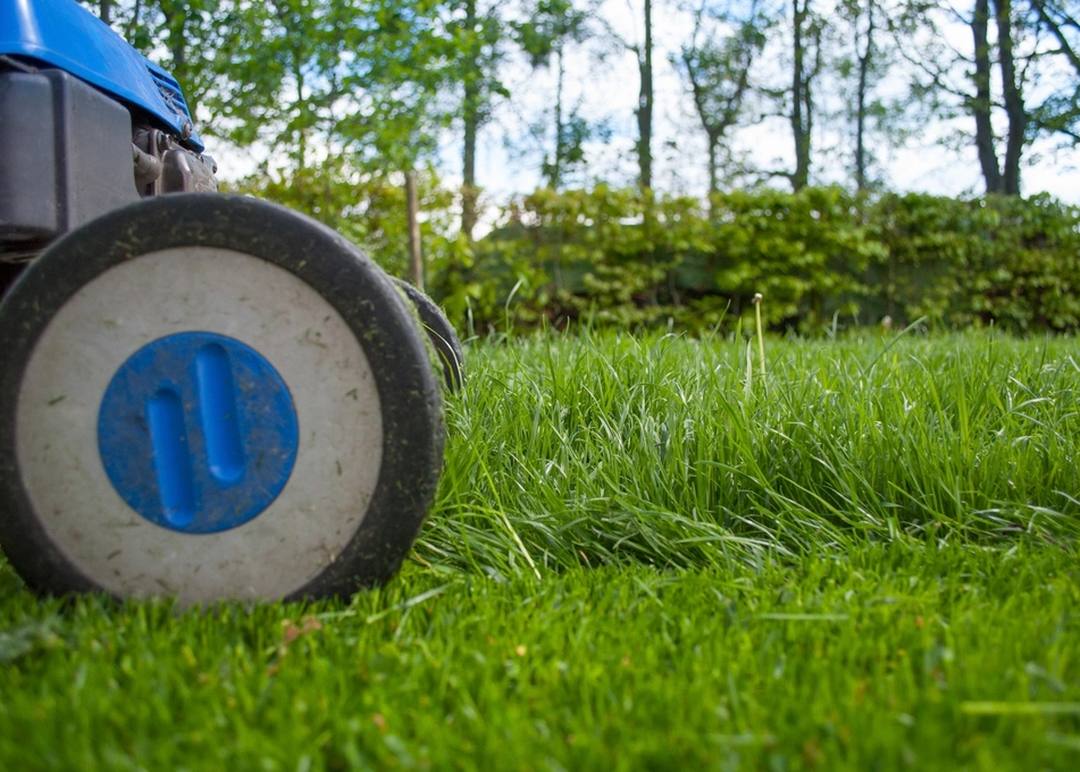
North of the beltline, where lots have been redeveloped and houses rebuilt, the conditions flip. More sun, less canopy, disturbed and compacted soil from recent construction, and irrigation systems that are far more common than on the old streets downtown.
An irrigated lawn on an open infill lot grows through dry weeks when a shaded fescue lawn a mile south has slowed to nothing, so the interval that suits one does not suit the other. Those lots also need aeration more urgently, because the soil under them was compacted by machinery within recent memory rather than settled over a century.
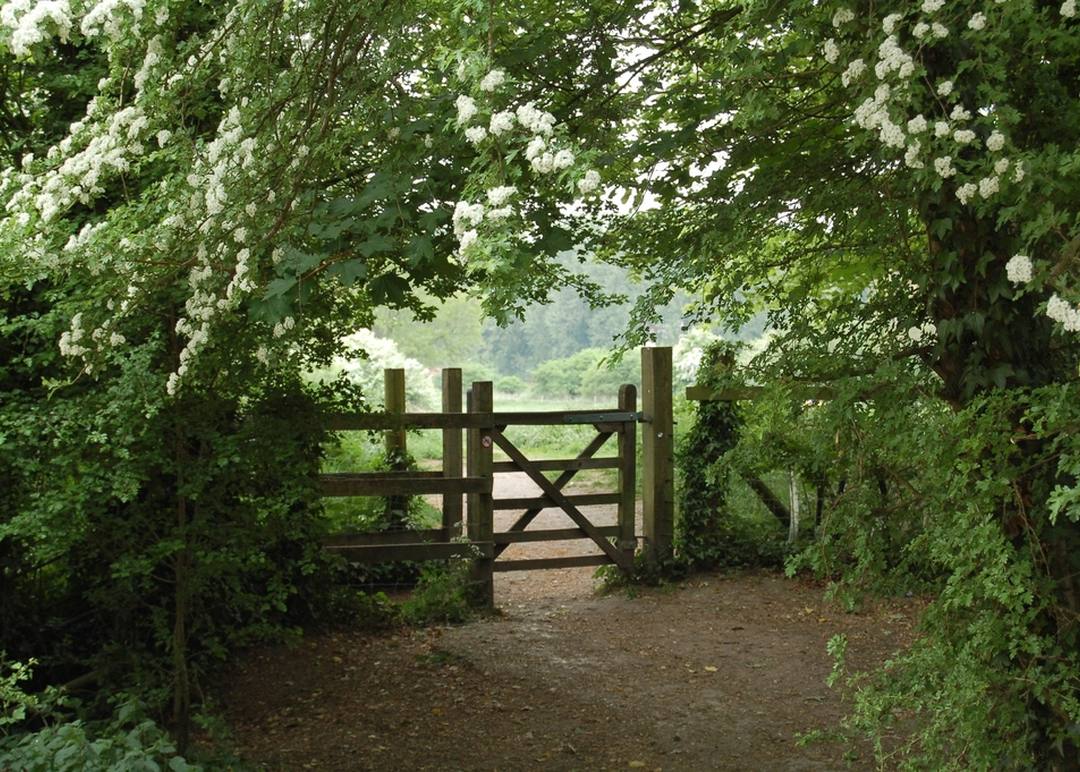
Every visit covers mowing at a seasonal height, edging along drives, walks and curb, trimming around trees, fences and foundations, and clearing the hard surfaces before leaving. Pricing is per property.

Local conditions
Raleigh's older neighborhoods sit under mature willow oaks and pin oaks that shade the turf and drop leaf for weeks every autumn.
Questions
Partly. Tall fescue tolerates high, filtered shade better than any warm-season grass will, which is why fescue remains the practical choice on shaded Raleigh lots. What it cannot do is thrive in deep shade with heavy surface roots pulling every bit of available moisture out of the top few inches of soil. On those spots the honest recommendation is to stop reseeding a strip that has failed five years running and convert it to bed, ground cover or mulched root zone. That decision saves money and looks better than a permanently thin patch.
Where fescue is holding on, cutting height is the lever. Higher blades mean more leaf surface collecting the limited light that filters through, and a shaded lawn cut short simply gives up.
Carefully, and with the deck set higher than you would on open ground. Roots that have worked their way to the surface under an old oak sit proud of the grass around them, so a low deck clips the turf on top of each one and eventually starts hitting the wood itself. That scalps the lawn in stripes and damages roots the tree is relying on.
Trimming has the same issue in miniature. A string trimmer run against exposed root wood or against the base of a trunk cuts through bark, and bark damage on a mature tree is not something that grows back.
Where roots have taken over enough of an area that mowing it well is not possible, extending a mulched bed out over that ground is the fix that lasts. The mowing problem disappears, the roots get protected, and the result looks deliberate.
Oaks do not drop all at once. Leaf falls in waves across weeks, often right through the period when cool-season turf is doing its most important growing of the year. Leaving a wet mat on fescue in November blocks light and traps moisture against the crown, and fungus follows. So autumn visits in Raleigh handle leaf as part of the routine rather than as one big cleanup at the end, keeping the canopy clear while the grass is still recovering from summer.
Leaf also collects where nobody is looking: against a fence line, in the corner between a deck and the house, along a foundation bed, and on the shaded half of a driveway where it leaves brown tannin staining on the concrete after it gets rained on.
Oakwood and much of Five Points predate the equipment. Narrow streets, on-street parking, single-lane drives and gates cut for a wheelbarrow all limit what can physically get into a back yard. Crews match machine size to the property instead of forcing a big mower through a gap it will scuff.
Pollen does not hurt a lawn, but it coats driveways, walks and porches, and a blower moving it around during a heavy bloom accomplishes very little. During those weeks hard surfaces get cleared as usual, with the understanding that a real cleanup of the concrete is better handled once the drop finishes.
To get on a Raleigh route, call (720) 869-7552 between 7:00 AM and 6:00 PM on weekdays.
Get in touch
Call and talk to someone who does the work, or send the details and we'll get back to you.
Call (720) 869-7552